The Leonidas Story
For more than a century, Leonidas has been telling a story of passion, craftsmanship and shared indulgence.
A true chocolate revolution
Discover the remarkable story behind the famous Leonidas chocolates. From Greece to Belgium, via the United States, it has always been a story of passion, perseverance and ingenuity. Thanks to this dedication and craftsmanship, Leonidas has grown into a world-renowned chocolate brand.
A Family Story
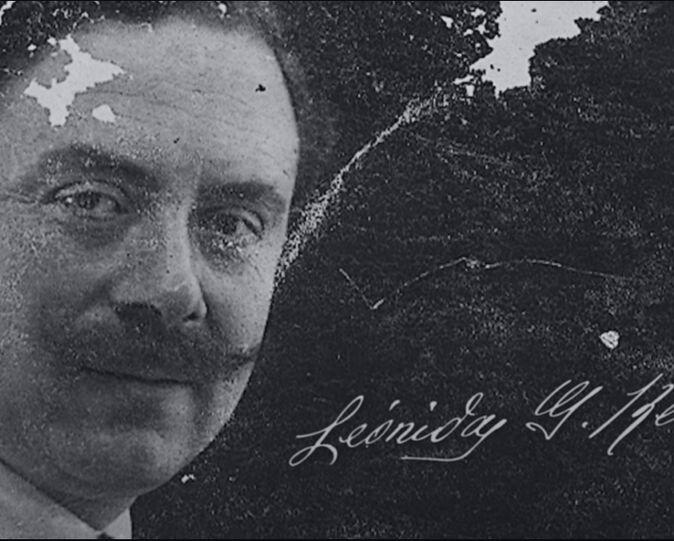
More than 100 years ago, Leonidas Kestekides created the first chocolate as we know it today. Over time, four generations of the Kestekides family have left their mark on Leonidas chocolate, turning the brand into a successful family business. What began as a single shop with a sash window, where chocolates were displayed on the windowsill, has become a global brand with more than 1,200 shops. Everyone knows the delicious creations of Leonidas. Discover how this chocolate revolution began.
The key milestones
Sweet Delicacies as a Means of Livelihood
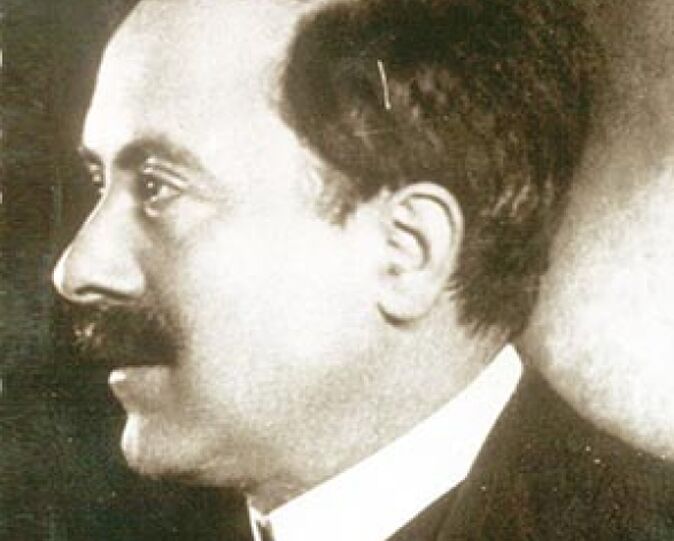
Anatolia Leonidas Georges Kestekides is born in Niğde, Turkey. At the time, no one could have imagined that Leonidas Kestekides would become a man who followed his heart to fulfil his dreams. While still very young, Leonidas and his brother Avraam began selling granita and other sweet treats on the streets. At that time, the two brothers were living in Greece, in a region marked by political and economic instability. Selling these sweet delicacies enabled them to make a living.
Granita, Wine and the Promised Land
At the age of 18, the ambitious young Greek traded granita for wine and began selling the precious drink in beautiful Italy. But luck was not on his side. One of the trucks carrying a large shipment of wine barrels, which he had not insured, was involved in an accident. Ruined, Leonidas Kestekides refused to give up. Driven by his ambition, he decided to try his luck… in the United States, chasing the American Dream and hoping to make his fortune in the Promised Land. It was there that he turned his passion into a profession and became a pastry chef and confectioner.
From New York to Ghent, for Love
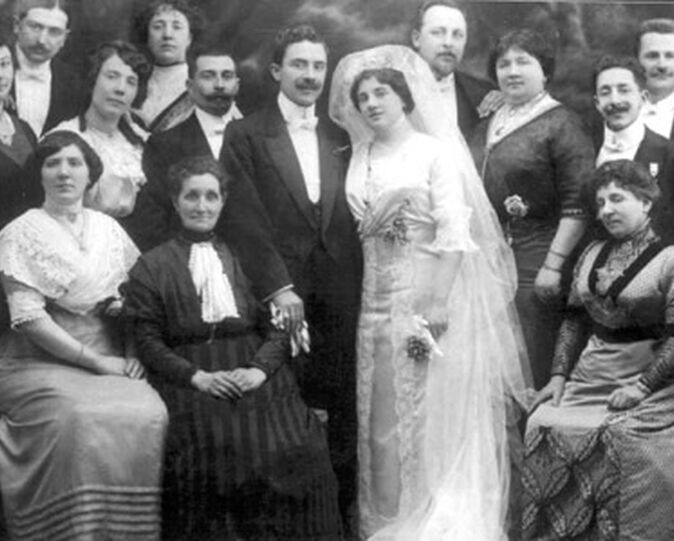
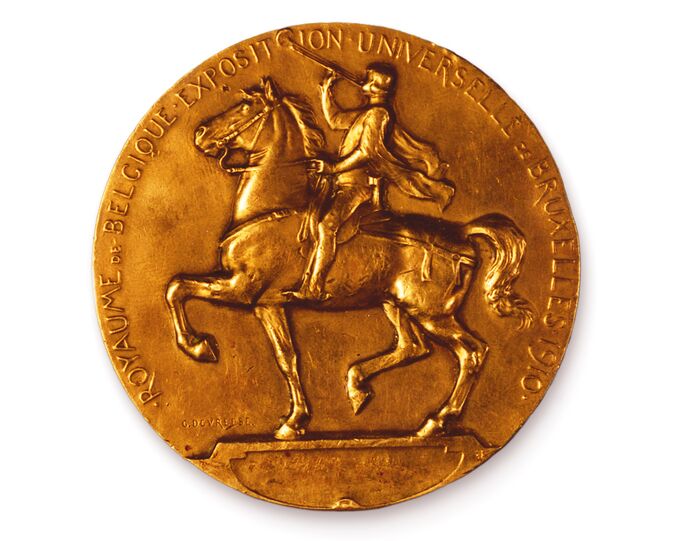
But how did this talented Greek end up in Belgium? Ten years later, in 1910, Leonidas Kestekides took part in the Brussels World’s Fair with the Greek-American delegation. There, he presented his confectionery and pastry creations to some 13 million visitors. His efforts were rewarded when Leonidas received the bronze medal, designed by Godefroid Devreese. His success did not go unnoticed. All eyes turned to Leonidas Kestekides, especially those of the young Belgian Joanna Emelia Teerlinck. Did she fall for his sweet creations? Or was it Leonidas who could not resist her graceful figure and porcelain complexion? Whatever the case, Leonidas married Joanna in 1912, and together they settled in Ghent.
Opening of a Tea Room
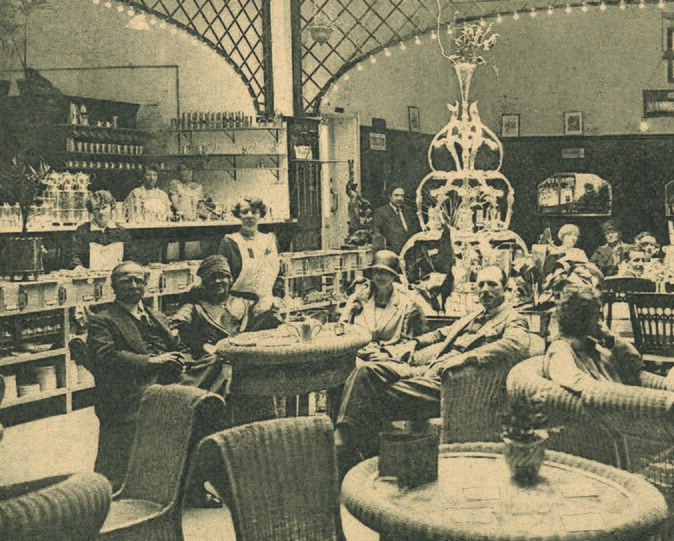
In 1913, Leonidas Kestekides once again took part in the World’s Fair, this time held in Ghent. After proudly presenting his latest creations to visitors, he was awarded the gold medal and a commemorative diploma on 27 October. The year 1913 proved to be a remarkable success for Leonidas. At 34 Veldstraat in Ghent, he opened his first tea room. Together with Joanna, he served pastries, confectionery, sweets and ice cream. Due to the German invasion, Leonidas was forced to close temporarily in 1918. However, he noticed that the upper classes were still looking for life’s little pleasures. His return was therefore a great success. In addition to his tea room in Ghent, he opened a Tasting Room and Cold Buffet in Blankenberge. At the time, the fashionable seaside resort attracted the bourgeoisie with its elegant shops and casino. Leonidas’ second tea room was established on the ground floor of the famous Hotel Lion d’Or.
The Arrival of Basilio Kestekides
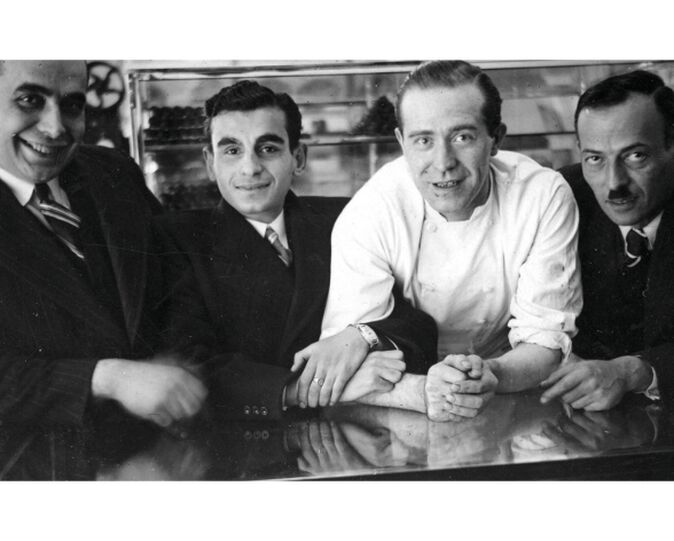
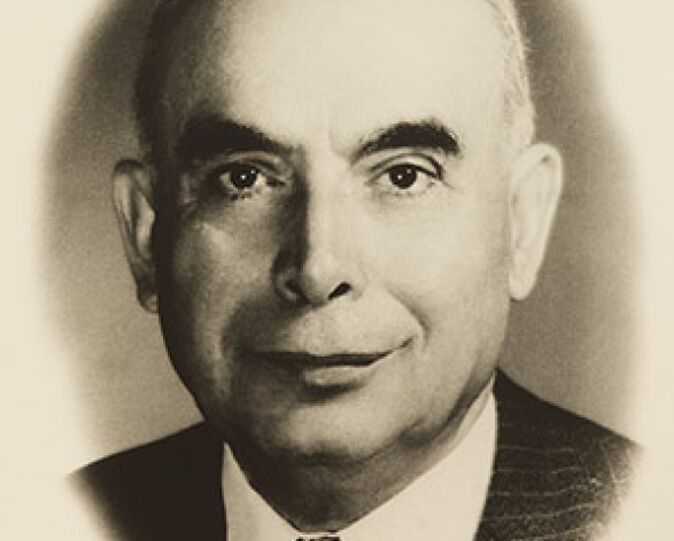
While Leonidas was enjoying his success with Joanna in Belgium, the political situation in Greece was deteriorating. News of Leonidas’ success reached his family in Greece, who decided to join him in Ghent. Every member of the Kestekides family contributed to the brand, but Basilio, Leonidas’ nephew, played a particularly important role. He learned the trade of pastry chef and confectioner alongside Leonidas. The two complemented each other perfectly: one was a born salesman, the other a creative mind. A father-and-son relationship soon developed between them, and together they created a range of delicious chocolates.
Conquering the Capital
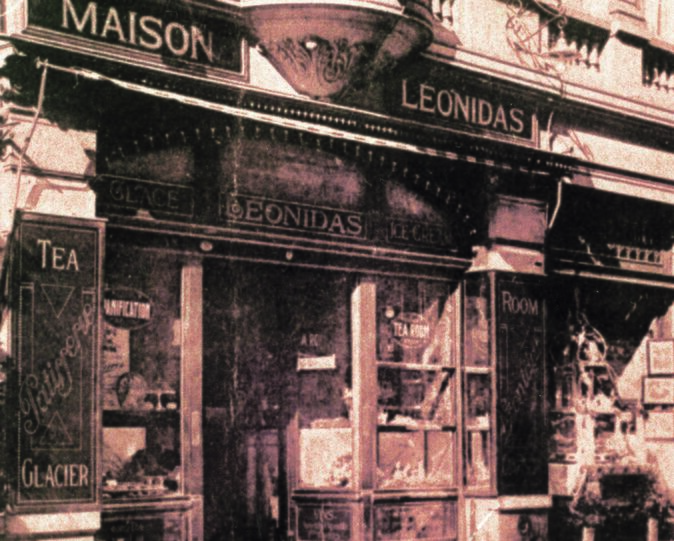
After winning over Ghent and Blankenberge, Leonidas set his sights on Brussels. He entrusted the management of the Ghent shop to his family while he and Basilio opened a new tea room on Rue Delvaux: the “Pâtisserie Centrale Leonidas”. Together, they worked tirelessly to establish Leonidas in the Belgian capital.
The Sash Window, Leonidas' Signature
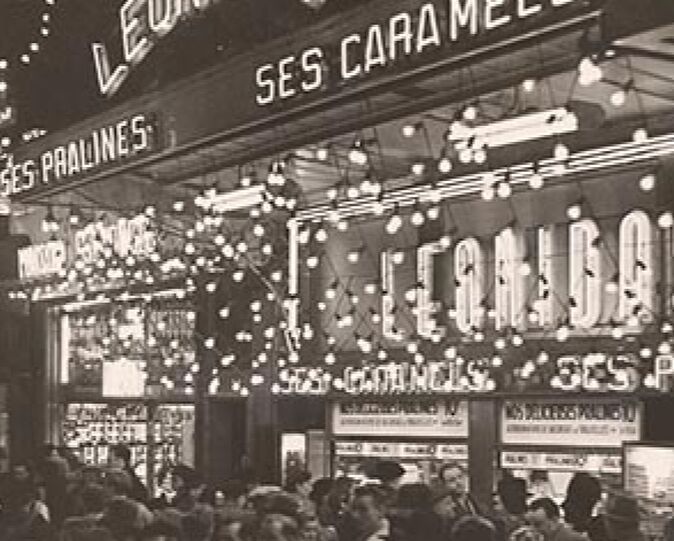
<div class=”elementToProof”>Basilio and Leonidas received a warm welcome in Brussels. At night, Basilio prepared his delicious chocolates in a small workshop near the Grand Place. Every morning, he travelled through the city in his horse-drawn cart, selling his creations to his loyal customers. Everything went smoothly until the day the police warned him about <strong>street trading</strong>. He was required to sell his products from a <strong>shop</strong> instead. Basilio then rented a small premises at <strong>58 Boulevard Anspach</strong>. However, it was so narrow that it had no entrance on the boulevard. Staying true to his resourceful nature, Basilio found an ingenious solution. He displayed his chocolates on the windowsill and sold them directly to passers-by through the <strong>sash window</strong>. It was a revolutionary idea! Basilio sold up to 35 kilograms of confectionery a day, moving the chocolates directly from the workshop to customers without losing any time or freshness. Best of all, they were sold at <strong>half the price of his competitors</strong>. This marked the beginning of Leonidas’ iconic sash window sales concept, which would later become <strong>the hallmark of the Leonidas brand</strong>.</div>
Official Trademark Registration
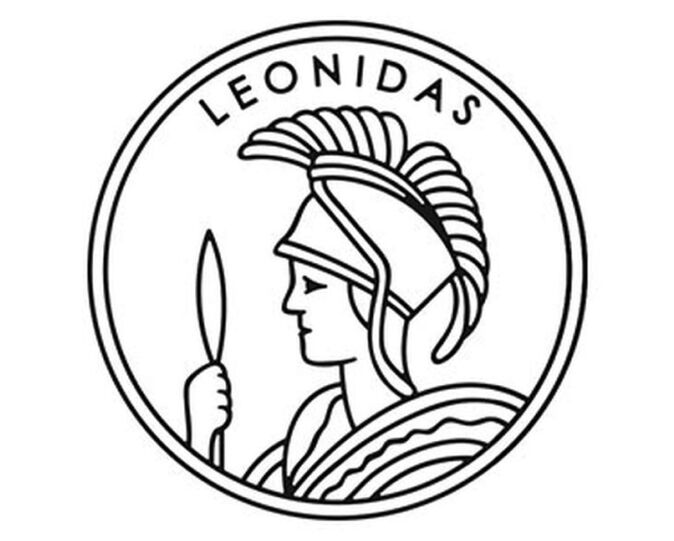
It was Basilio who gave his uncle the brand and its logo. Little by little, Leonidas entrusted Basilio with the day-to-day management and development of the brand. In 1937, Basilio officially registered the Leonidas trademark with the City of Brussels. He named it after his uncle and chose the Greek warrior Leonidas I, King of Sparta, as its emblem in tribute to him. This marked the very first step towards the logo we know today.
A Luxury Product Within Everyone's Reach
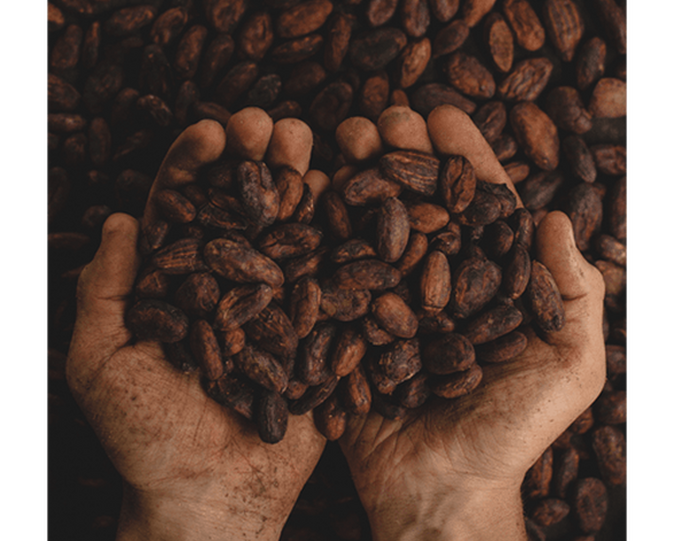
Leonidas also survived the Second World War. Basilio purchased cocoa and made his own chocolate. Leonidas continued to thrive. On 20 February 1948, tragedy struck when Leonidas Kestekides passed away. Despite this loss, Basilio remained determined to make luxury chocolate accessible to everyone.
Anticipating the growing demand for Leonidas chocolates, Basilio called on his younger brother Alexandros Kestekidis in 1950. Alexandros, the father of today’s Chairwoman Vasiliki, moved to Belgium with his wife Hélèni. They were occasionally joined by their elder brother Jean-Yani Kestekoglou, father of Maria and Dimitrios, helping to build the Leonidas brand into what it is today. Their first priority was expanding the workshop and increasing chocolate production in order to keep prices affordable while meeting growing demand.
Alexandros Kestekidis designed tools to shape marzipan into fruit, and these tools are still in use today. He also developed small machines that gradually replaced manual production. These innovations paved the way for new flavours and an even wider assortment of chocolates. Basilio later moved to a larger premises at 46 Boulevard Anspach, where a Leonidas shop still stands today.
100 Grams? 10 Francs!
Brussels quickly fell in love with Basilio’s handcrafted chocolates. They combined outstanding quality with remarkably affordable prices. At the time, a 100 g ballotin cost just 10 Belgian francs (around €0.25). Before long, entrepreneurs came knocking on Leonidas’ door, and Leonidas shops began opening by the dozens.
European Recognition
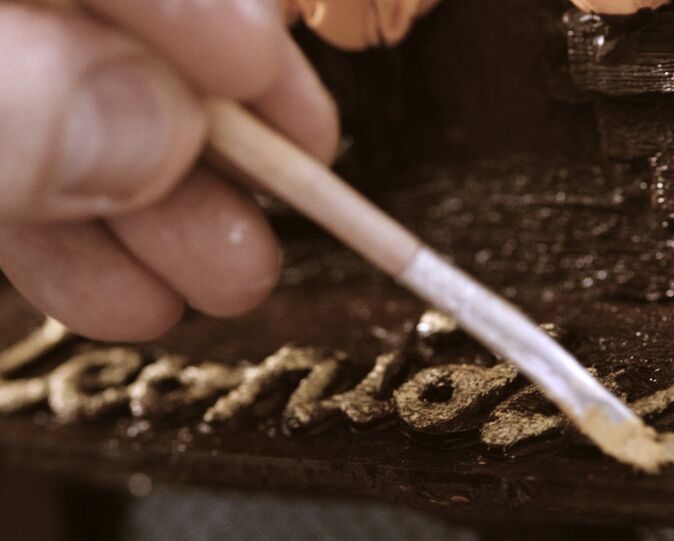
On 2 April 1970, Basilio passed away, after which his brothers Alexandros and Jean-Yani founded « Confiserie Leonidas SPRL ». Following Basilio’s death, Alexandros asked Jean-Yani Kestekoglou to take over the management of the company, a role he fulfilled until 1985. He was assisted by his eldest nephew, Yanni, the son of their sister. From Basilio’s death in 1970 until his own passing in 1999, Alexandros remained Chairman of Leonidas while continuing to develop new chocolate flavours.
Jean-Yani’s main objective was to expand the Leonidas store network beyond Belgium, notably into Luxembourg, the Netherlands and France. Once people discovered Leonidas chocolates, they kept coming back for more. Their exceptional quality appealed to every palate. To support this growth, production capacity was increased and Confiserie Leonidas acquired the former Crown-Baele factory at 41-43 Boulevard Graindor, Anderlecht, which remains the company’s headquarters today.
The Arrival of the One and Only Manon
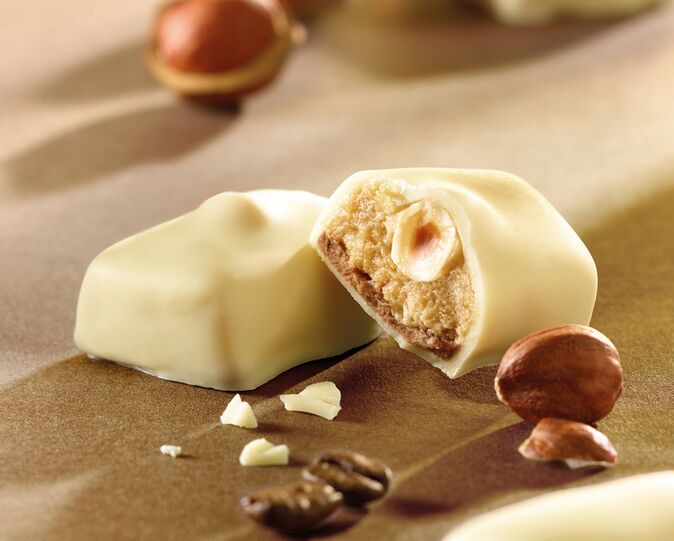
Famous, sought-after and truly iconic, the Manon as we know it today is one of a kind. But how was it created? Originally, the Manon was filled with nougatine, topped with a walnut and coated in a layer of sugar. It was Yanni Kestekoglou, a member of the Leonidas family, who reinvented the recipe. His innovation was a world first. He had the brilliant idea of replacing the sugar with white chocolate. At that time, no one else in the world was making chocolates with white chocolate. The walnut was then replaced with a hazelnut, which could be roasted and kept better. Finally, he replaced the nougatine with Leonidas’ famous buttercream filling. The result was the Manon that chocolate lovers still adore today. Until 1983, the price of Leonidas chocolates was regulated by the Belgian government, just like bread and milk. Why? Because Leonidas chocolates were considered an essential everyday product.
The Price of Success
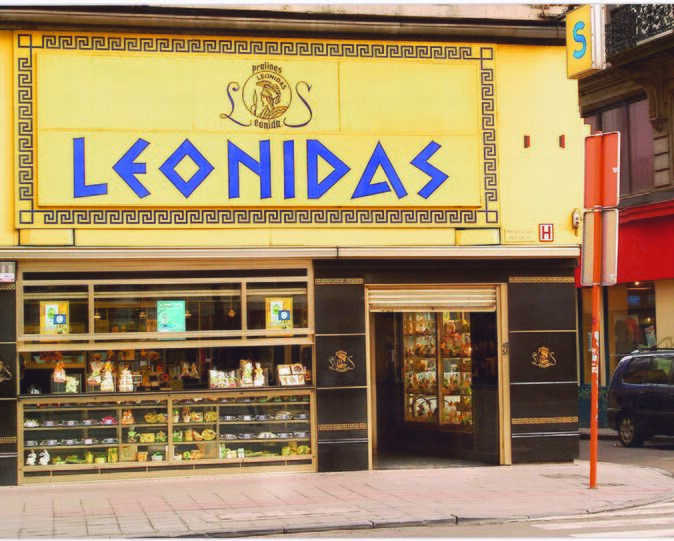
Production continued to grow, but Leonidas made a remarkable decision: the company launched an advertisement asking interested entrepreneurs not to submit any more applications to open new shops, because production could no longer keep up with demand. This decision reflected both the ever-growing popularity of Leonidas products and the company’s determination to maintain the highest quality standards, despite overwhelming demand.
In 1985, due to health issues, Jean-Yani Kestekoglou stepped down from the management of the company, allowing the third generation to take over. His daughter, Maria Kestekoglou-Kestekides, assumed the leadership together with her first cousin Yanni. In 1992, they were joined by their cousin Vasiliki Kestekidou, and together they continued to lead the company.
In 2004, Maria’s brother, Dimitrios Kestekoglou, decided to leave his career as an ophthalmologist to join the company’s management, contributing in turn to preserving and developing this remarkable family legacy.
At the beginning of 2004, he took on the role of Managing Director, with the objective of preparing Leonidas for the transition from a family-run business to a professionally managed company. In 2005, following his proposal, Leonidas established its first Internal Audit Committee, supported by an internal auditor, of which he became a member. He also served as Chairman of the Board of Directors in 2004, 2006, 2008, and from 2011 to 2014.
Today, Maria, Chairwoman Vasiliki and Dimitrios all serve on the Leonidas Board of Directors, while the next generation of the family is already preparing to carry this exceptional heritage into the future.
Leonidas Goes Global
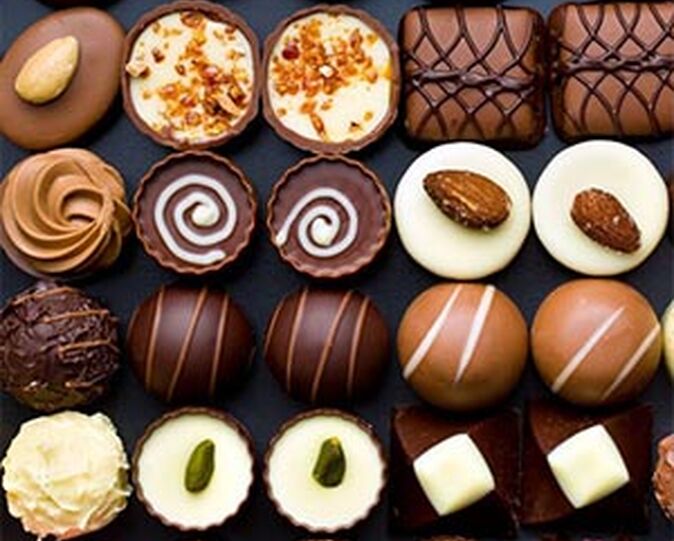
To meet growing consumer demand, Leonidas expanded once again by acquiring the former Bel cheese factory building on Rue des Bassins in Anderlecht. At the same time, Leonidas continued its international growth, expanding its presence in the United States and Asia.
A New Design
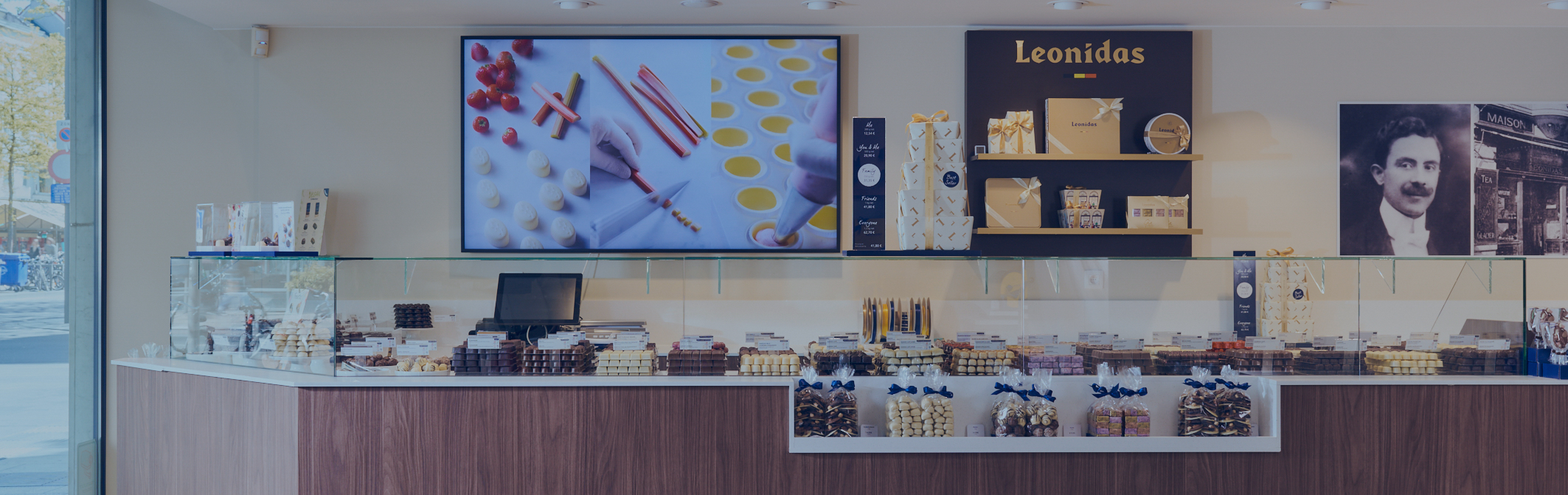
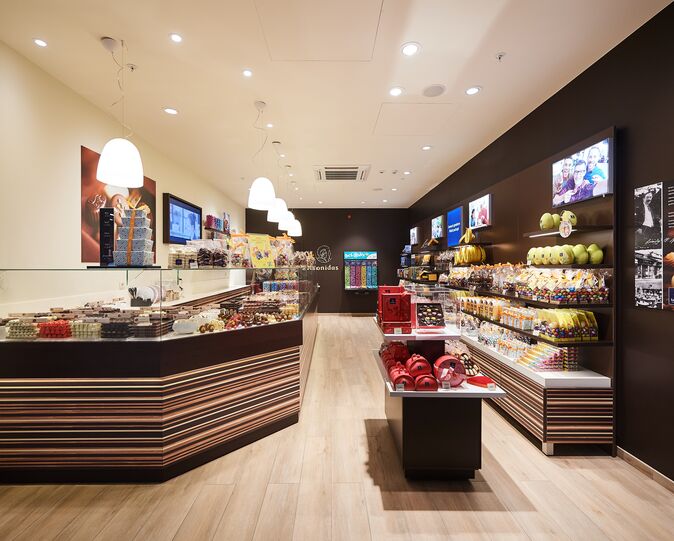
All Leonidas boutiques were given a fresh new look, and the iconic sash window disappeared. Around the world, every Leonidas store adopted the same contemporary design. Inside, Leonidas chose a colour palette that reflects the brand’s authenticity and values. The warm and harmonious style highlights the company’s craftsmanship, experience, quality and authenticity. Whether you buy your chocolates in Brussels, New York or Paris, you will always enjoy the same welcoming, modern and familiar Leonidas experience.
A Perfect Match
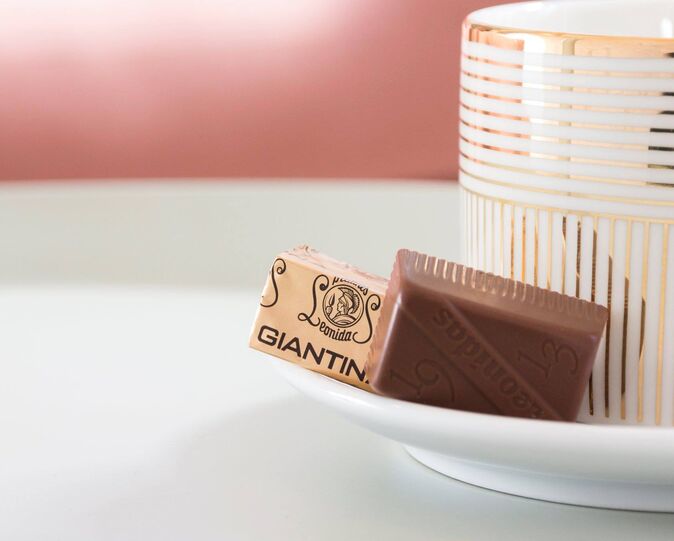
Coffee and chocolates are a perfect match. In 2005, Leonidas opened its very first Leonidas Chocolates & Café in Brussels. Today, this concept has expanded internationally, inviting customers to enjoy a delicious cup of coffee, handcrafted chocolate and a rich, creamy hot chocolate.
A Royal Honour
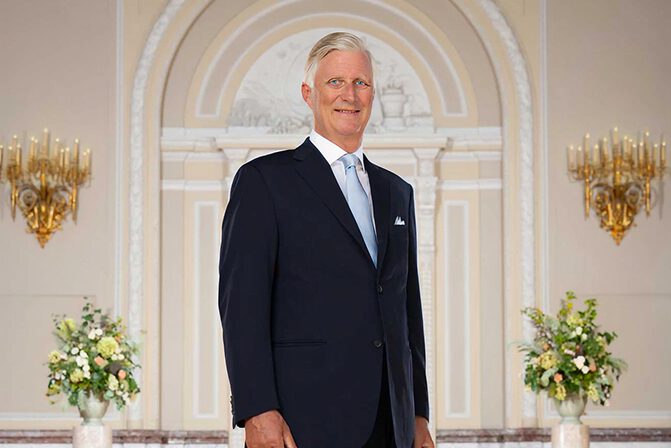
On 15 November 2013, His Majesty King Philippe of Belgium unveiled the list of Royal Warrant Holders, on which Leonidas earned its place thanks to its outstanding quality and affordable prices. This prestigious distinction recognises the perseverance and dedication of everyone who has contributed to the success of the Leonidas brand.
Sustainable Cocoa
Since 1 October 2021, Leonidas has been using sustainably sourced cocoa to produce its chocolates. A natural step for a company whose mission, since 1913, has been to create moments of happiness for everyone through chocolate. Thanks to this certification, the living and working conditions of 2,450 cocoa farmers and their families have been improved.
By supporting a fair and stable income for farmers, Leonidas is helping to build a better future for both people and the planet. And because Leonidas believes its chocolates should remain accessible to everyone, the company fully absorbs the additional costs associated with its commitment to sustainable cocoa, without increasing retail prices.
A Family Story
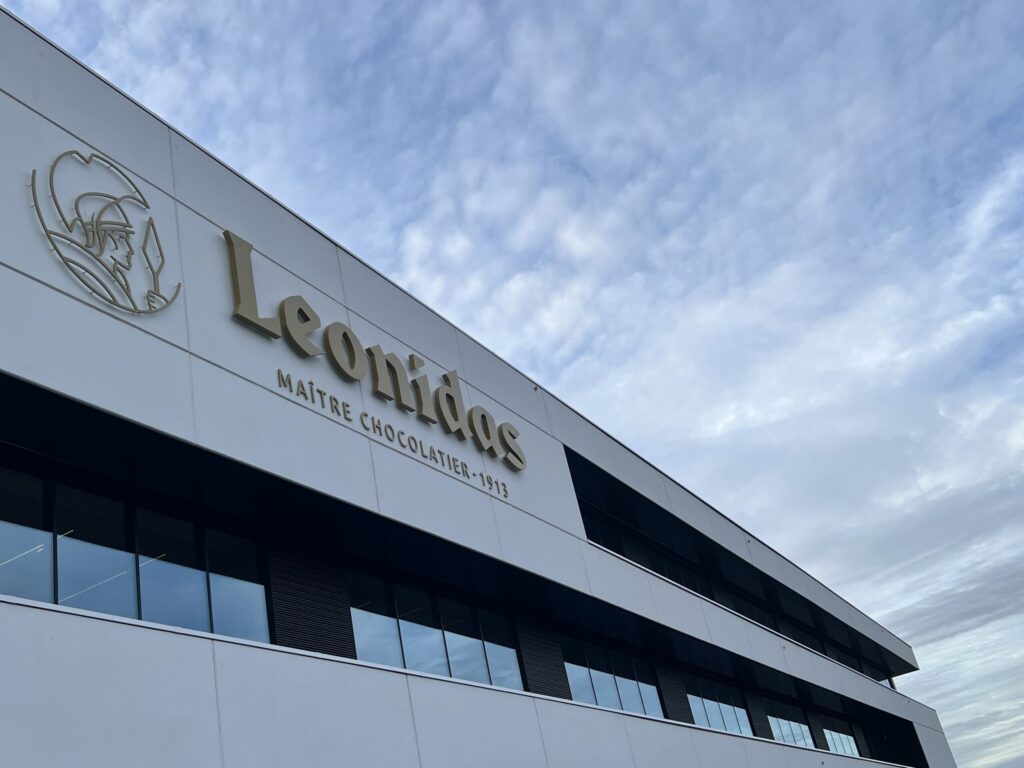
Since joining the family business in 2004, Mr Dimitrios had dreamed of building a new factory to meet future needs and ensure the long-term future of the company. It was not until 12 December 2023 that construction of the new factory in Nivelles officially began with the laying of the foundation stone, marking the beginning of a new chapter in Leonidas’ history.